Can a Dehumidifier Get Rid of Mold Growth
Mold. It's the villain in many stories of home ownership nightmares. Mold is notorious for being persistent and difficult to fully eliminate once it has found a foothold indoors. It's fair to wonder, "Can a dehumidifier get rid of mold?" After all, homeowners frequently rely on emergency restoration services in a place like Colorado Springs, where understanding how to control and prevent mold is crucial. The answer dives deeper into the nature of mold, its causes, and effective long-term management strategies, and we're here to explore all that and more. Let's take a closer look at whether and how dehumidifiers play a role in tackling this common household pest.
The Conditions Mold Relishes
To understand whether a dehumidifier can be a solution, it's essential to grasp what mold needs to thrive. Mold is like an unwanted guest that thrives in moist and warm environments. Areas with over 60% relative humidity are invitations for mold spores to settle and multiply. Once established, these spores can wreak havoc on a home, causing structural damage and health concerns such as allergies and respiratory issues.
It's important to note here that mold doesn't just develop on exposed surfaces. It can hide within walls, under carpets, and in ventilation systems. When you recognize musty odors or visible growth, the mold has likely been in place for a while. Addressing it requires dedicated effort to change the conditions it loves; an aspect where dehumidifiers become relevant.
How Dehumidifiers Work Against Mold
So, back to our core question: can a dehumidifier get rid of mold? A dehumidifier primarily works by removing excess moisture from the air, which is a vital condition for mold growth. By extracting water vapor and maintaining indoor environments at an optimal humidity level (ideally between 30% and 50%), dehumidifiers create conditions that are less hospitable for mold.
However, it is critical to understand that while dehumidifiers can stop mold from getting the moisture it needs to grow, they are not purifiers or sanitation devices. They will not remove the mold spores that have already taken root. Instead, they serve a preventative role in limiting future growth after comprehensive mold removal and remediation have been undertaken.
The Steps to Controlling Mold Growth
To effectively utilize a dehumidifier as part of your mold control strategy, you should integrate it with broader measures. Here's a suggested approach:
- Identify and Repair Water Sources: Mold thrives on moisture. Prioritize fixing leaks in roofs, walls, or plumbing. If areas of standing water or dampness persist, a systematic approach to repair is necessary.
- Remove Existing Mold: Engage professional services for mold removal to ensure all spores and affected materials are adequately treated or eliminated. Experts will help clear the air of existing spores using specialized equipment.
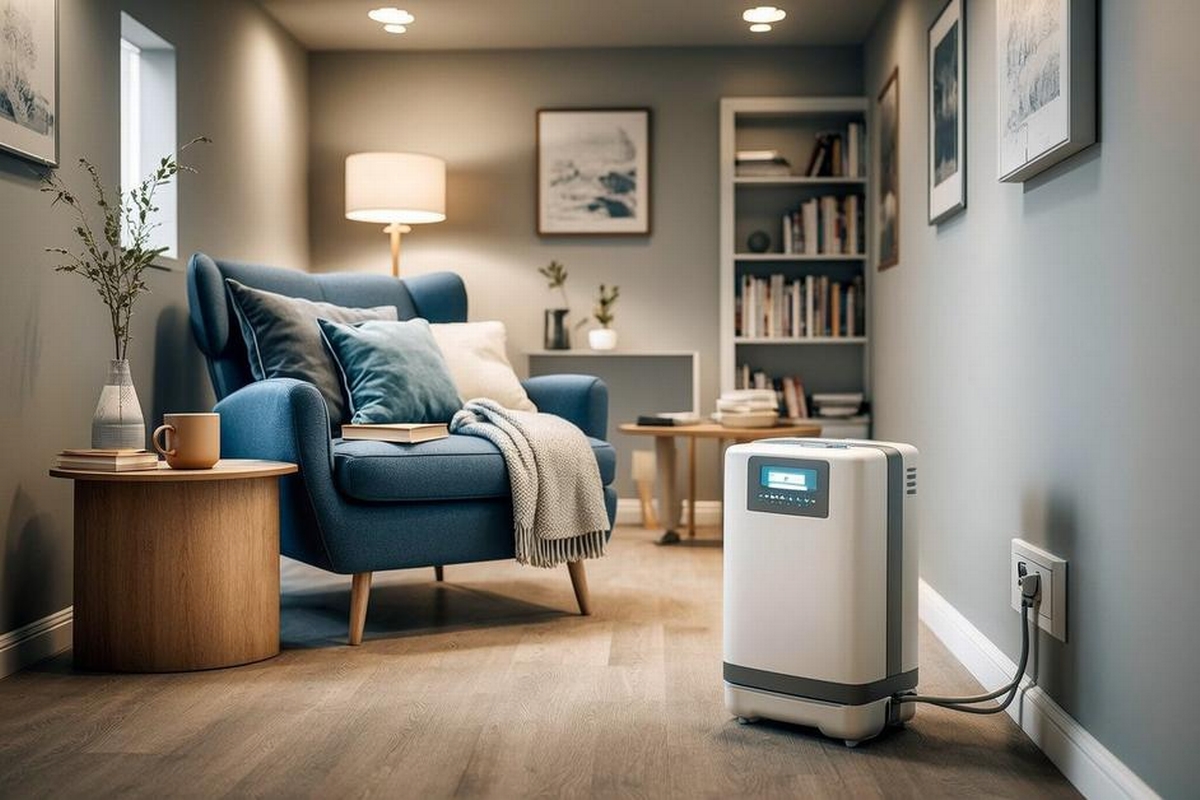
- Deploy Dehumidifiers: Once repairs are complete and mold removal is conducted, install dehumidifiers to maintain ideal humidity conditions. Ideally, a dehumidifier should be placed in areas prone to moisture, such as basements and bathrooms.
- Regular Monitoring: Continuously check humidity levels with a hygrometer. Regular maintenance of dehumidifiers and HVAC systems will enhance the efficacy of your mold prevention strategy.
Is a Dehumidifier a Cure or a Component?
Simply put, can a dehumidifier get rid of mold by itself? No, but it is an invaluable component in a comprehensive mold management plan. A dehumidifier's primary job is to create an inhospitable environment for mold growth by managing humidity levels. Remember, though, that preparation is important; identifying mold-causing conditions and addressing them is necessary before relying on a dehumidifier.
It's also pivotal to employ services specializing in mold removal and remediation in Colorado Springs and its neighboring areas to ensure the space is thoroughly inspected and treated. Only after completing this base process should dehumidifiers be relied upon to maintain mold-free conditions in the long run.
Signs That You Need More Than a Dehumidifier
While dehumidifiers are effective allies for moisture control, if you notice persistent issues such as a musty smell, visible spots, shadowy patches, or recurring symptoms related to allergies, you may need additional measures. This might involve professional interventions, comprehensive ventilation solutions, or a systemic crackdown on water leaks.
In aggravated cases, homes might also necessitate water damage restoration services to repair and restore structural components affected by long-term moisture and mold exposure. Ignoring these symptoms can lead to unfavorable living conditions and a decrease in property value.
Making an Informed Decision
As homeowners or renters, the knowledge of how to maintain indoor air quality and environmental standards is crucial. Managing humidity with dehumidifiers is a wise and practical approach to preventing mold, but it's only one aspect of an integrated mold management strategy.
Understanding the limits and merits of a dehumidifier allows for better decision-making, responsible home care, and a healthier living environment. Control moisture, prioritize cleanliness, and always seek professional support for the safest and most effective mold management. If you're ready to take control of mold in your home, contact RARE Restoration today to learn more about our comprehensive mold solutions and how we can help protect your property in Colorado Springs and beyond.