Can Mold Grow on Stainless Steel in Your Home?
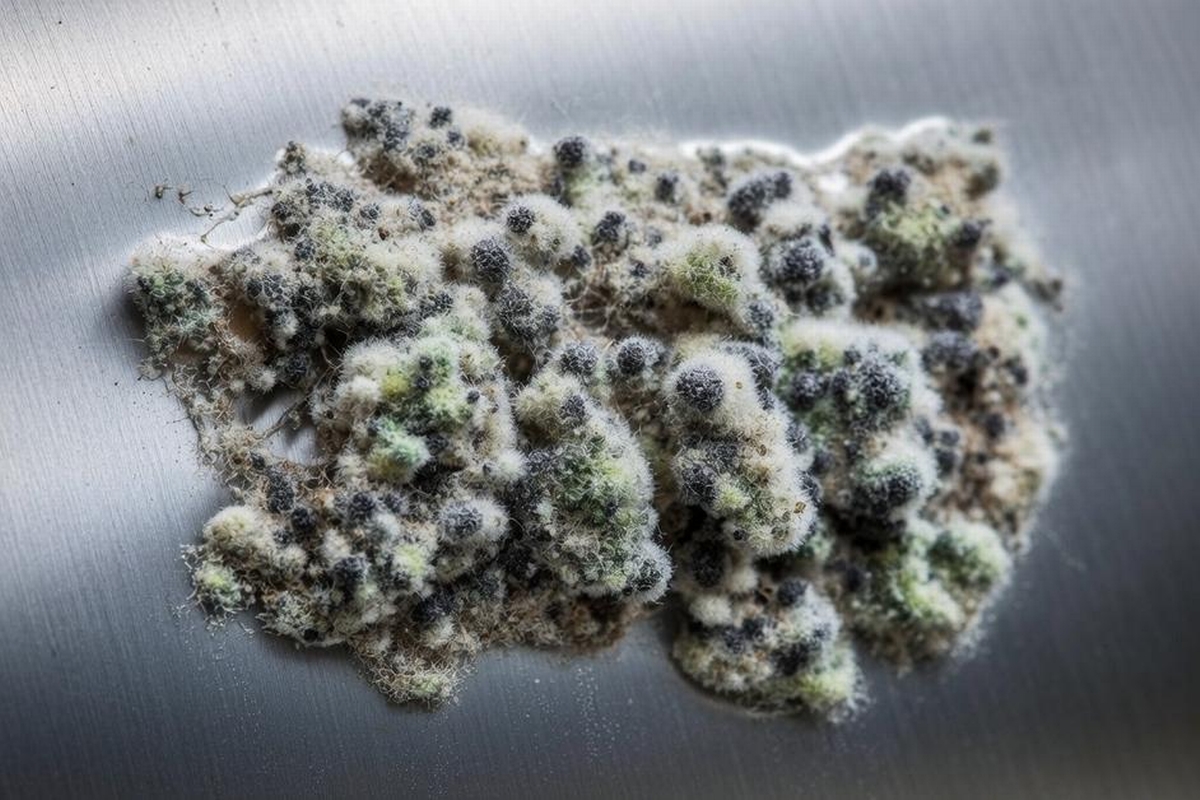
Mold growth is a common concern for homeowners, often conjuring images of damp basements or neglected bathrooms. But what about seemingly impervious surfaces like stainless steel? Can mold grow on stainless steel in your home? This question becomes particularly relevant for kitchens and bathrooms, where stainless steel fixtures are standard. Understanding this could save you from potential health issues and costly repairs. If you're searching for restoration contractors in Colorado Springs, CO, you're already thinking forward about safeguarding your home from mold and its pervasive nature.
This blog post will delve into the feasibility of mold colonizing stainless steel surfaces, why it might occur, and effective prevention strategies. You'll discover the science behind mold growth and how even the most seemingly impregnable surfaces are not entirely immune. Moreover, we'll explore the proactive measures you can implement to protect your spaces and ensure the ongoing cleanliness and safety of your home environment.
Understanding Mold: What is it?
Mold is a type of fungus that thrives in moist environments. It reproduces by emitting spores that can travel through the air and settle on various surfaces. Given the right conditions, mold can grow almost anywhere. This includes places you might not typically consider, prompting the question: can mold grow on stainless steel? While stainless steel isn't organic, its surfaces can trap moisture and support mold spore deposition.
In homes, mold growth is most often seen in areas with high humidity levels, such as kitchens and bathrooms. It's vital to recognize that while stainless steel doesn't provide nutrients for mold, it does not mean mold cannot form on it. Organic debris or grime on a stainless steel surface can serve as a foundation for mold to develop.
Why Mold Might Grow on Stainless Steel
The notion that stainless steel is impervious to mold is a misconception. Mold requires three basic components to thrive: moisture, warmth, and oxygen. If there's any trace of organic matter on the stainless steel surface, such as food residue or oils from cooking, these can be enough to support mold growth. While stainless steel is durable and resistant to staining and rust, it is not self-cleaning.
Stainless steel can accumulate grime over time. This grime consists of dust, oils, and skin cells, providing an organic layer for mold spores to latch onto. If left unchecked, mold can use this thin organic film for its growth. Alongside regular cleaning of these surfaces, it's essential to stay vigilant for discoloration or musty odors.
Essential Tips to Prevent Mold Growth
Given its ubiquity and health risks, preventing mold should be a top priority for every homeowner. Below are some effective strategies to consider:
- Keep Surfaces Dry: After cleaning, wiping down stainless steel surfaces to remove water can prevent moisture accumulation and mold formation.
- Regular Cleaning Routine: Use appropriate cleaning agents to prevent organic residue buildup on surfaces.
- Ventilation: Proper ventilation reduces humidity levels. Install exhaust fans in kitchens and bathrooms to expel moist air.
- Dehumidifiers: Installing dehumidifiers in areas prone to moisture can be particularly effective in controlling humidity levels.
To ensure your prevention methods are working effectively, incorporate regular inspections of stainless steel surfaces into your cleaning regimen. Look for any signs of mold, such as discolorations, that could indicate a need for an immediate clean-up.
Case Study: Kitchen and Bathroom Challenges
The kitchen and bathroom are hotspot areas for potential mold growth on stainless steel. Kitchens, with their frequent exposure to water and food residues, require more attention than other areas of a home. Spills, splatter, and crumbs are common in kitchens, contributing to bacterial and fungal growth if not cleaned properly.
In bathrooms, the situation isn't much different. High humidity from showers creates a perfect breeding ground for mold. Although stainless steel fixtures and fittings resist rust and corrosion, they are still prone to mold if moisture is consistently retained. Mold removal and remediation in Colorado Springs is a sought-after service due to such issues, illustrating the importance of diligent maintenance in these areas.
Professional Cleaning and Restoration Services
While DIY cleaning and prevention are crucial, there may be situations where professional help is warranted. For those serious about safeguarding their homes, services like water removal and mold remediation ensure surfaces remain pristine and safe. In severe cases, where mold is pervasive, expert intervention prevents further contamination and ensures a thorough cleaning.
Moreover, restoration services can provide homeowners with tailored advice on maintaining their stainless steel fixtures in optimal condition. These professionals use specialized tools and cleaning agents designed to remediate and prevent mold growth effectively.
Why Choose Professional Restoration Contractors?
Why might you opt for professional services instead of DIY? Experience and expertise are invaluable assets these professionals offer, along with state-of-the-art equipment designed to tackle mold problems. Whether in commercial kitchens or residential bathrooms, restoration professionals can guarantee thorough mold removal, leaving surfaces hygienic and safe.
Homeowners looking for restoration contractors in Colorado Springs, CO, especially for mold-related issues, have a variety of solutions at their disposal. From initial assessments to comprehensive cleaning, these services help ensure your home remains free from mold and its potential hazards.
Act Now to Safeguard Your Home
Maintaining a mold-free home requires proactive measures. Mold might be resilient, but by adopting a regular cleaning routine and addressing moisture issues, you can effectively safeguard your stainless steel surfaces. Still, when mold does become an overwhelming issue, the expertise of professionals remains crucial. By investing in proper maintenance and professional services as needed, homeowners can focus on creating healthy, mold-free living environments.
For those in Colorado Springs, CO, whether confronting mold woes or requiring emergency response for unexpected damage, RARE Restoration stands ready. From comprehensive inspections to specialized fire damage restoration, we ensure your property remains safe and secure. Never underestimate the impact of professional help. Contact us now and take the first step toward ensuring the safety of your home with RARE Restoration.