Does Colorado Springs Flood Often During Heavy Rain?
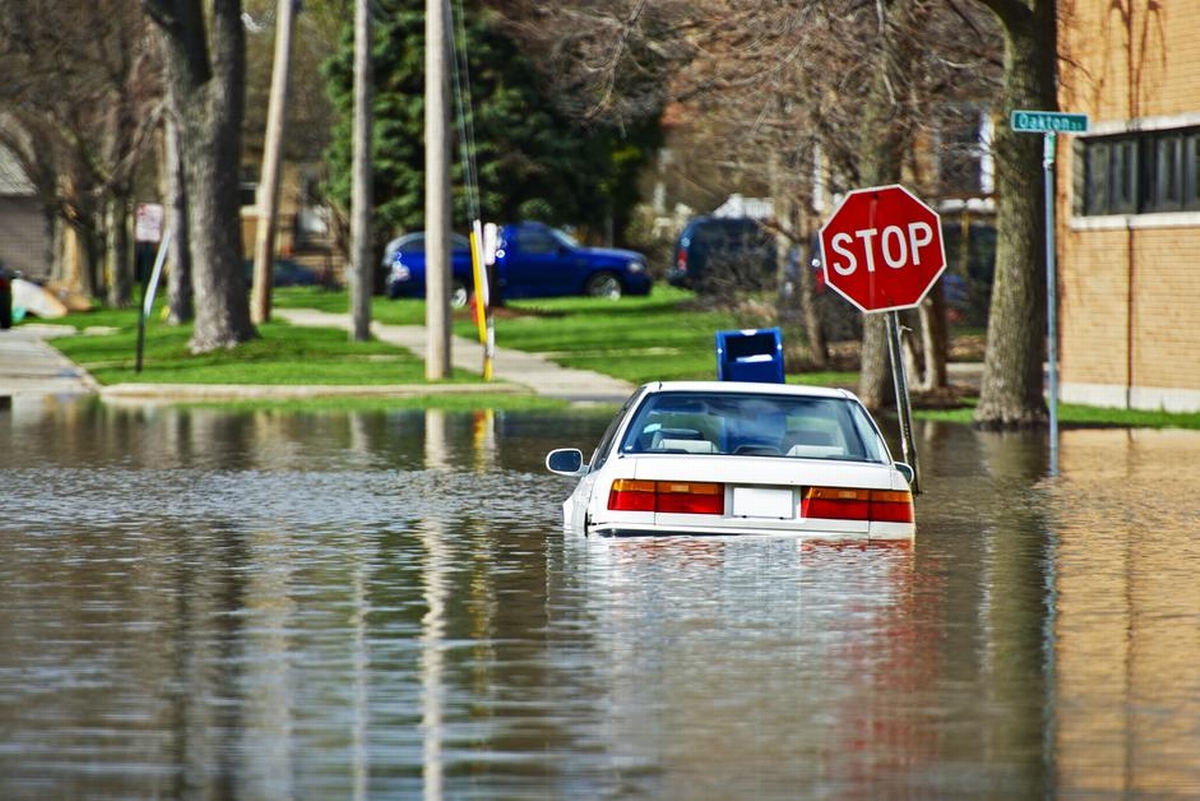
Colorado Springs, nestled at the base of the majestic Rocky Mountains, is known for its breathtaking natural beauty and outdoor recreation. However, residents and business owners might wonder how often does Colorado Springs flood during heavy rain. After all, the combination of mountainous terrain and sporadic weather patterns can create challenging conditions. For those looking for a damage restoration company in Colorado Springs, understanding the flood risks and potential restoration needs is vital to maintaining safety and preserving properties.
Flooding is a serious issue that can lead to extensive damage to homes, businesses, and infrastructure. The need for preparedness cannot be overstated when talking about how often Colorado Springs floods. We'll delve into the factors contributing to flooding in this region, how often it occurs, and what steps one can take to mitigate the risks. Moreover, we'll explore how professional services like RARE Restoration can offer critical support in damage restoration through effective solutions.
The Geography of Flooding in Colorado Springs
Understanding the geographical influences on Colorado Springs is essential to grasping how often the city floods. Its unique location between the mountains and high plains presents varied weather patterns. During the spring and summer months, the combination of snowmelt from the mountains and heavy rainstorms can significantly increase the risk of flooding.
Flash floods are particularly common due to the region's steep terrain, where rainwater quickly cascades down the slopes. These flash floods can occur with little to no warning, transforming dry streams into torrents. Colorado Springs is especially susceptible to such sudden floods, emphasizing the importance of being prepared and having a plan in place.
Factors Contributing to Flooding
Several factors influence how often does Colorado Springs flood during heavy rain:
- Topographical Features: The steep slopes of the Rocky Mountains contribute to rapid water runoff. As rainwater moves quickly downhill, it gathers speed and volume, often leading to flash floods.
- Weather Patterns: Colorado Springs experiences sudden and intense thunderstorms, particularly during the late spring and early summer. These storms can unleash large amounts of rainfall in short periods, overwhelming drainage systems.
- Urban Development: As the city expands, more natural surfaces are replaced by impermeable surfaces like asphalt and concrete. This urbanization decreases the ground’s ability to absorb water, heightening flood risks during heavy rains.
Given these factors, it's no surprise that flooding is a recurring issue in Colorado Springs.
Historical Flood Events in Colorado Springs
While assessing how often does Colorado Springs flood, a historical perspective is crucial. Over the years, several significant flood events have shaped the community's awareness and response strategies:
- In 1935, a disastrous flood ravaged the city, leading to numerous casualties and massive property damage. It stands as a historical benchmark for the severity and impact floods can have on Colorado Springs.
- More recently, in 2013, heavy rains resulted in substantial flooding that impacted homes and infrastructure. This event underscored the continuing need for vigilance and readiness against natural disasters.
These incidents reinforce the importance of leveraging advanced forecasting techniques and efficient flood management strategies to safeguard the community.
Key Areas Prone to Flooding
Certain districts within Colorado Springs are more vulnerable to flooding, primarily due to their location and surrounding topography:
- Downtown Colorado Springs: Nestled in a flat basin area, this part of the city has seen frequent flooding episodes, particularly affecting businesses and historic sites.
- Fountain Creek Watershed: This area often experiences heavy rain runoffs. The city's drainage systems may become overwhelmed, causing floodwaters to surge into streets and neighborhoods.
Being aware of these key flood-prone areas can assist residents and businesses in planning proactive measures, whether through flood insurance or strategic modifications to property layouts.
Preparation and Protection: Steps You Can Take
Despite the challenges posed by flooding, several strategies can minimize the risk of damage:
- Improve Drainage Systems: Regular maintenance of gutters, downspouts, and stormwater drains is essential. Clearing debris and ensuring everything is functioning properly can prevent water accumulation and potential flooding.
- Utilize Landscaping Techniques: Strategically planting vegetation and creating rain gardens can significantly enhance your property's natural drainage, helping absorb excess rainwater.
- Home Improvements: Reinforcing the basement and installing sump pumps can protect against water intrusion. Sealing walls and floors adds another layer of defense against potential floodwaters infiltrating your home.
With these precautions, property owners are better equipped to manage and mitigate the risks of flooding, potentially reducing the need for emergency assistance and repairs.
The Role of Restoration Services in Flood Management
Professional services like those offered by RARE Restoration play a pivotal role in flood management and recovery. Their expertise stretches across various services, from flood damage cleanup to water damage restoration, ensuring the community has access to comprehensive support when needed.
For instance, if your property encounters flooding, services such as odor removal in Colorado Springs, CO, can be invaluable in addressing issues resulting from prolonged water exposure. By engaging with specialists who understand local conditions, you can expedite recovery and restoration while minimizing long-term damage.
Innovation and Community Engagement
Achieving community-wide resilience against flooding requires collaborative efforts. Local authorities and businesses can foster initiatives like public awareness campaigns and community-based workshops to educate residents about preparation and response strategies.
Moreover, technology has become an invaluable asset in flood prediction and management. Real-time weather monitoring systems and flood forecasting models can provide critical information, guiding effective decision-making and emergency responses.
How RARE Restoration Can Assist
Understanding how often does Colorado Springs flood is the first step toward effective flood management. Engaging with local experts provides added assurance, ensuring your property is protected against potential catastrophic events. RARE Restoration offers a suite of services, from mold removal and remediation to flood damage repair, ready to assist the Colorado Springs community. Their commitment to building a safer, more resilient environment aligns with the needs and aspirations of the area's residents.
For those in nearby areas, why not consider smoke damage cleaning in Pueblo for comprehensive property care? Tailored services like these reflect RARE Restoration’s dedication to serving a wider region while maintaining a strong local focus.
In a world where weather events grow increasingly unpredictable, preparation through knowledge and expert support is your best shield. With the right strategies and services, Colorado Springs residents can confidently navigate the challenges posed by heavy rain and flooding, ensuring a vibrant and secure community for years to come. Get in touch today!