How Do You Get Skunk Smell Out of Your House Without Chemicals?
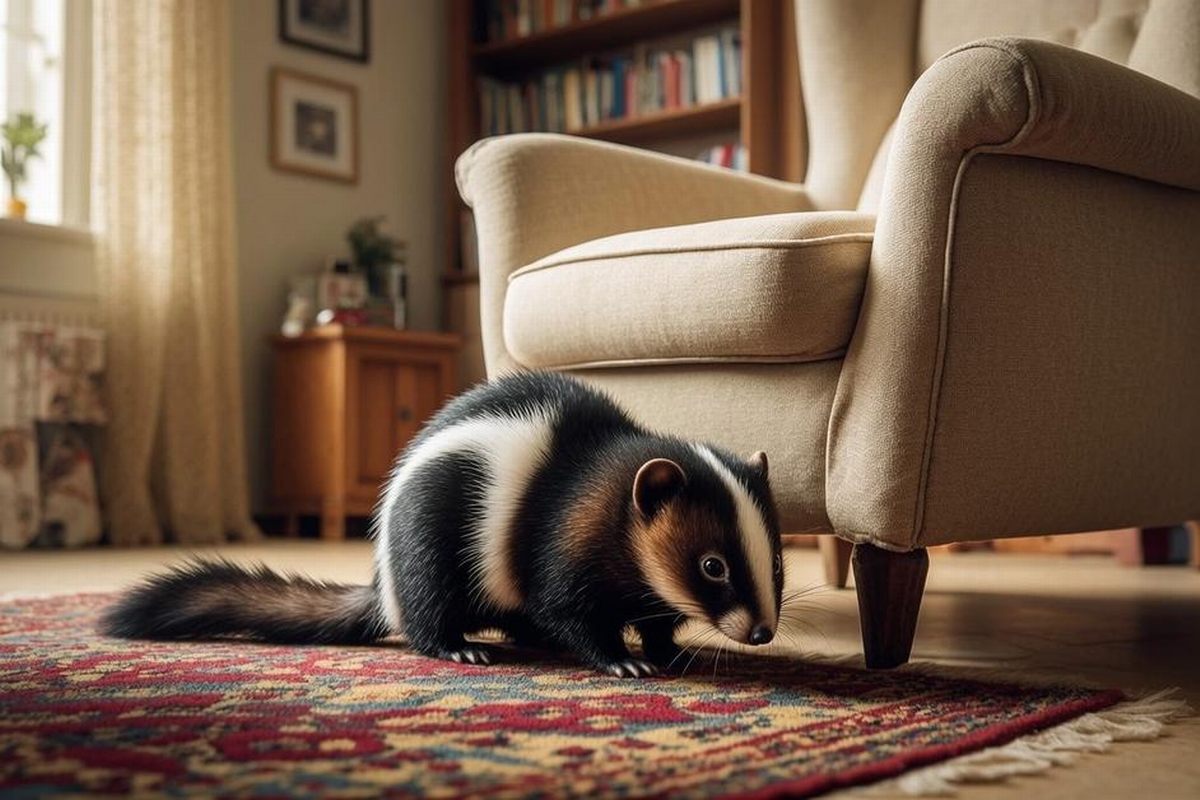
How do you get skunk smell out of your house without chemicals? As a leading damage restoration company in Colorado Springs, CO, RARE Restoration understands the struggle homeowners face and offers solutions that don’t rely on harsh chemicals. In this guide, we'll delve into natural methods to eradicate skunk odor while preserving your home's integrity and health.
Homeowners often find themselves in distress dealing with skunk odors, especially those who value natural and eco-friendly solutions. Skunks, while small, can unleash a potent sulfur-like smell that can permeate fabrics, walls, and furniture. This blog will explore natural remedies to neutralize skunk odor and provide actionable steps to regain a fresh home environment. We will discuss practical methods involving commonplace ingredients like vinegar, baking soda, and essential oils, ensuring your home remains a safe haven free from chemical agents.
Understanding Skunk Odor
Before diving into solutions, it's essential to comprehend why skunk odor is so resilient. The smell is primarily caused by thiols - sulfur-based compounds detectable by the human nose in incredibly low concentrations. When outdoors, these compounds can dissipate relatively quickly, but within the confines of a home, they stick to surfaces and fabrics, making the smell more challenging to remove.
Natural Remedies for Skunk Smell
Vinegar and Baking Soda Magic
The first step in tackling skunk smell naturally is to utilize vinegar and baking soda—two household staples renowned for their cleaning prowess.
- Vinegar: Place bowls of white vinegar around the infected area. Vinegar is excellent at neutralizing odors without leaving a distinct smell of its own. Consider boiling vinegar on the stove to allow the steam to spread, aiding odor removal from the air.
- Baking Soda: Create a paste by mixing baking soda with water. Apply this paste to affected surfaces or directly onto fabrics before vacuuming once dry. Baking soda's natural deodorizing properties help break down the skunk's potent odor.
Essential Oils for Freshening Up
Essential oils not only mask skunk odors but can also complement other odor-neutralizing efforts. Oils like lavender, citrus, and eucalyptus carry their own aromatic properties and offer added benefits:
- Diffusion: Using an essential oil diffuser can spread the scent throughout your home, aiding in reducing and overpowering the skunk odor.
- Spray: Create a spray using essential oils diluted in water and mist it over the affected areas, curtains, and furniture.
Homemade Skunk Odor Remover
For an intensive yet natural approach, concoct your own skunk odor remover:
- Combine one quart of 3% hydrogen peroxide (a naturally occurring compound, albeit stronger) with ¼ cup of baking soda and one teaspoon of liquid dish soap as surfactants to break down oils.
- Apply this mixture directly to fabrics and rinse after 15 minutes to prevent bleaching. Although hydrogen peroxide is natural, it can have a lightening effect, so be cautious with colored fabrics.
Air It Out
Another straightforward yet effective strategy is simply ventilating your home:
- Open Windows: Allow fresh air to circulate and drive out the skunk smell.
- Fans: Use fans strategically to push out the skunk odor-laden air while drawing fresh air into your home.
Scrubbing Surfaces
For stubborn residues, a thorough scrub might be necessary:
- Use a mixture of vinegar and warm water to wipe down hard surfaces like walls, floors, and countertops.
- Follow up with baking soda treatment for added deodorization.
Tackling Fabrics and Upholstery
Fabrics often absorb odors deeply, so they'll need dedicated treatment:
- Washing Machine: Add some vinegar to the laundry—not too much, as this could affect fabric integrity. Alternatively, baking soda can work during a wash cycle to aid in odor removal.
When dealing with delicate fabrics or extensive odor penetration, consider consulting professionals. RARE Restoration offers smoke damage cleaning in Colorado Springs and nearby areas using techniques honed in removing lingering odors.
Skunk Odor Prevention Tips
After ridding your home of skunk smells, it’s wise to implement preventive measures:
- Secure Trash: Ensure outdoor trash cans are sealed tightly to avoid attracting skunks.
- Check Entry Points: Seal gaps under porches, decks, and garages where skunks may seek shelter.
- Outdoor Scent Deterrents: Some natural deterrents include using predator urine or cayenne pepper around your perimeter.
Restoring Comfort Without Harsh Chemicals
Eradicating skunk odor naturally involves patience and a bit of elbow grease, but it also allows you to maintain a safe, comfortable home environment without harmful chemicals. In scenarios where natural remedies may not suffice, or if you prefer professional help, RARE Restoration is here as a trusted expert in odor removal in the areas we service.
Considering the complexities of some odor removal challenges, involving specialists like RARE Restoration ensures effective, comprehensive solutions tailored to your home's needs. If you're grappling with the persistent impact of skunk odor or any related issues, don’t hesitate to reach out. Whether it's tackling mold-related issues or addressing trauma and crime scene cleanup in Colorado Springs, CO, our team is committed to reclaiming your home's fresh and inviting atmosphere. Contact us today to explore our range of restoration services designed to bring peace back into your home.