What Causes a Storm Surge and How It Could Threaten Your Communities
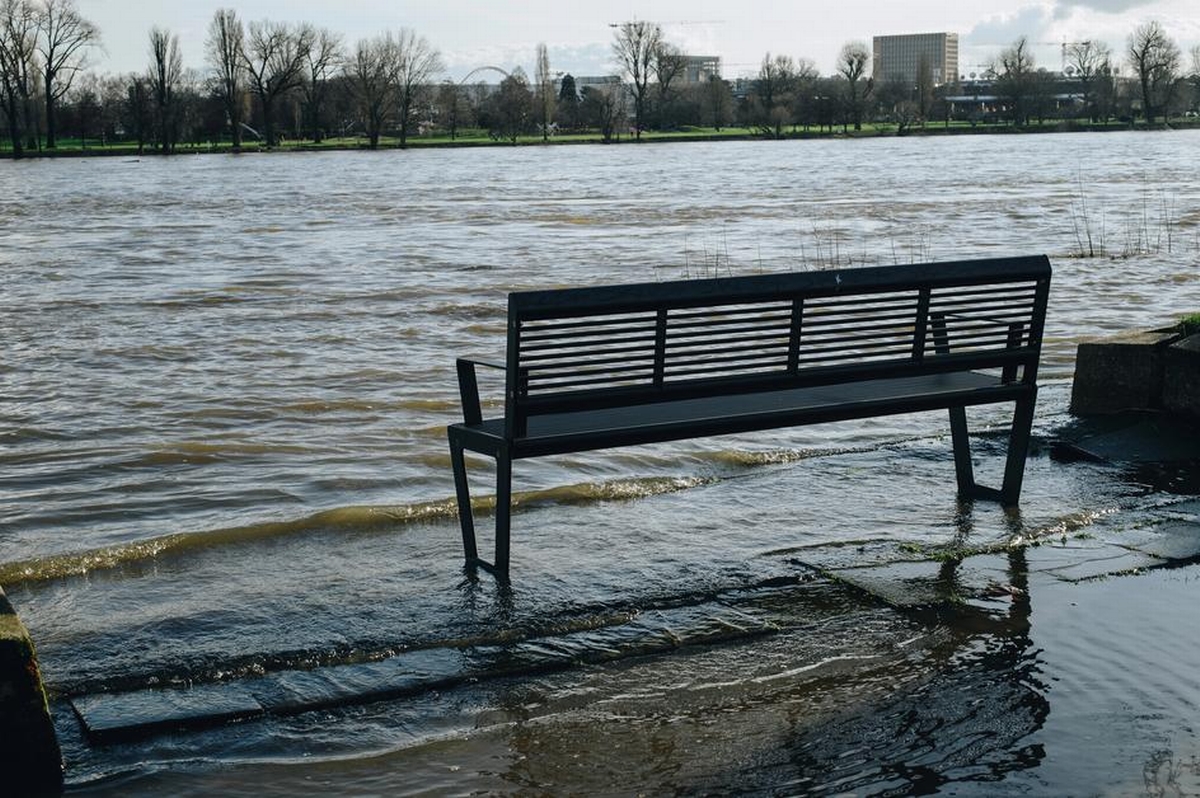
Weather patterns can be unpredictable, and one of the most impactful phenomena in the realm of weather-related disasters is the storm surge. But what causes a storm surge? It's not just a random consequence of weather unpredictability. Instead, it involves complex interactions between several natural elements and human factors. For restoration contractors in Colorado Springs, understanding these factors is crucial as they play a significant role in preparing communities for potential impacts. As our climate evolves, the increasing frequency and intensity of storm surges demand attention from both local authorities and residents alike.
Storm surges can bring colossal consequences, affecting communities by flooding residential areas, destroying infrastructure, and even causing loss of life. Traditional flood defenses are often inadequate against the massive volumes of water that a storm surge can deposit inland. Understanding what causes a storm surge is vital for developing resilient strategies and safeguarding our communities. This comprehensive exploration will dive into the scientific foundations of storm surges, their potential threats to communities, and ways to mitigate those risks effectively.
The Science Behind Storm Surges
At their core, storm surges are oceanic events caused by severe cyclonic storms, such as hurricanes. When these powerful storm systems move across a large body of water, they push immense amounts of water toward the shore, elevating sea levels temporarily. This rise in water levels, combined with high tides, can inundate coastal areas rapidly. Winds, atmospheric pressure, and ocean topography also play significant roles in determining the extent and power of a storm surge.
Wind:
The strong winds of a storm push the surface water towards the coast. When winds are sustained, the water accumulates and rises, forming a surge.
Atmospheric Pressure:
In a storm's eye, atmospheric pressure is lower than in the surrounding area. This lower pressure allows the sea level beneath the storm to rise.
Topography:
The geographical layout of coastal areas influences how a surge behaves. Gentle, sloping sea floors tend to result in more substantial storm surges than those with steep breaking slopes.
Along with these natural factors, human-made changes like land subsidence, due to groundwater extraction or construction, can exacerbate the effects of a storm surge. RARE Restoration works with communities to address these multifaceted challenges and implement restoration strategies that encourage resilience.
Impacts of Storm Surges on Communities
Storm surges have the potential to cause severe disruptions, particularly in coastal areas. These surges can lead to extensive flooding, as the inundation might stretch several miles inland, depending on the topography and surge power. The damage to homes and businesses can be immense. For residents facing the aftermath of such disasters, water damage restoration becomes a crucial service to restore their homes and lives to normalcy.
Coastal infrastructure, such as roads, bridges, and utilities, faces significant risk during storm surges, potentially leading to prolonged power outages and traffic disruption. Additionally, natural habitats within floodplains can be destroyed, disrupting local ecosystems and negatively affecting biodiversity.
Storm surges, particularly those accompanying severe storms or hurricanes, also pose serious threats to human lives. Despite technological advances in forecasting, last-minute evacuations can be perilous, underscoring the need for proactive community planning and response strategies.
Preparing for Storm Surges
Preparation can significantly mitigate the impacts of storm surges. Communities need to exploit scientific insights and data analytics to create robust early warning systems and disaster response plans. Proper urban planning, improved building codes, and flood management systems are crucial in areas where storm surges pose regular threats. Furthermore, public education campaigns about the risks and preparatory steps are invaluable in creating a knowledgeable and responsive populace.
The integration of natural barriers, like wetlands and mangroves, serves as an additional protective measure. These ecosystems can absorb and slow down the floodwaters, significantly lessening the storm surge's impact. By advocating for the restoration and conservation of these natural defenses, communities can bolster their resilience against future storm surges.
The Role of Restoration Services
In the aftermath of a storm surge, restoration services step in to address immediate challenges. Companies like RARE Restoration offer water damage repairs in Colorado Springs, helping homes and communities recover swiftly from devastation. Services like these are vital as they assist in removing water swiftly, promoting building integrity, and preventing mold growth. Restoration professionals are pivotal in aiding local residents to return to everyday life with minimal disruption.
The Importance of Community Collaboration
Building resilience against storm surges requires collaboration among individuals, government agencies, and community organizations. Engaging with restoration contractors in proactive strategy development and disaster planning strengthens community preparedness. Information sharing and resource allocation are also critical aspects of a unified approach to dealing with storm surges.
Promoting Resilience Through Restoration
For communities across Colorado Springs and beyond, embracing the full spectrum of disaster preparedness, including the understanding of what causes a storm surge, can mean facing the future with foresight and capability. Restoration services, such as water damage restoration and flood damage cleanup, are key components in recovering efficiently while minimizing long-term impacts. Communities must take proactive steps to bolster defenses, considering both technological innovations and traditional ecological knowledge.
By leveraging restoration expertise and enhancing community awareness, the fight against natural disasters can be a concerted effort. When communities come together, the challenges posed by storm surges become more manageable, and the path to recovery more assured.
For residents in Colorado Springs and surrounding areas, the expertise provided by RARE Restoration ensures that homes and properties are in safe hands. Whether faced with a storm surge or other natural disaster, knowing who to turn to can make all the difference. Engage with RARE Restoration today, and build a resilient future, prepared for any weather.