What Does Sealing Mean in a Fire Restoration Process
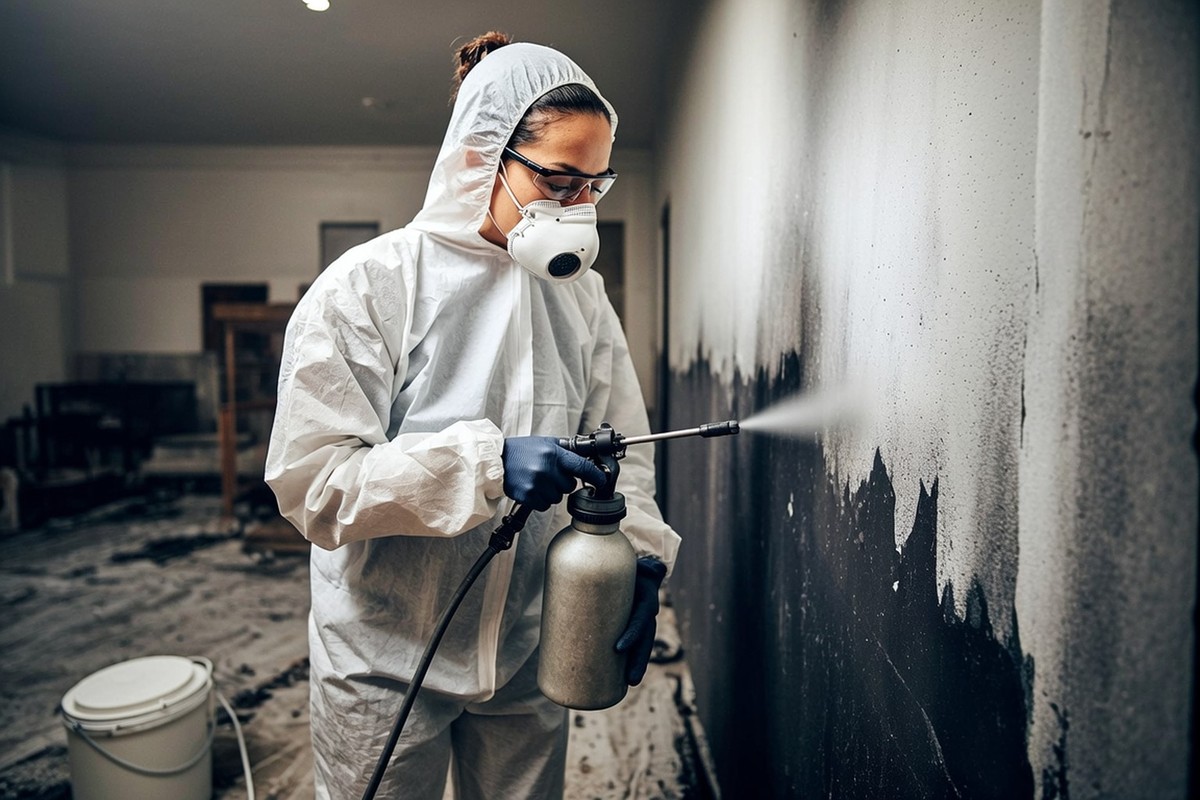
After a fire, the visible damage often tells only part of the story. Charred materials, discolored walls, and lingering smoke odor can persist long after the flames are gone, even when a surface looks clean. That is why one of the most common questions we hear as a damage restoration company in Colorado Springs and its surrounding areas is what does sealing mean in a fire restoration and why it becomes such an important step. It is not just a cosmetic finishing touch. Sealing is a technical process that locks away contaminants, blocks stubborn odors, and prepares surfaces so your home can truly recover.
Understanding this step helps homeowners feel more confident about the work being done behind the scenes. When you know why sealing matters, you can better appreciate the difference between a surface that simply looks repaired and one that is genuinely restored. Let's walk through what sealing involves and how it fits into the larger fire recovery picture.
The Basics: What Does Sealing Mean in a Fire Restoration
At its core, sealing refers to applying specialized coatings or primers to surfaces affected by fire, smoke, and soot. These products are designed to trap residues that cannot be fully removed through cleaning alone, while also creating a barrier that prevents smoke odors from continuing to release into the air. Fire leaves behind microscopic particles that embed deep into porous materials like wood framing, drywall, and subflooring. Even after thorough cleaning, some of those particles remain, and they can keep emitting odor for months if left untreated.
So when people ask what does sealing mean in a fire restoration, the simplest answer is that it is the process of encapsulating what cleaning cannot reach. A quality sealant essentially locks contaminants in place so they cannot bleed through new paint, spread further, or continue to affect indoor air quality. It bridges the gap between cleaning and rebuilding, ensuring the surfaces underneath your finished walls are stable and odor free.
Why Sealing Is Necessary After Fire and Smoke Damage
Smoke behaves differently than most people expect. It travels through walls, settles into insulation, and clings to structural components that are never fully exposed during repairs. Soot is also acidic, meaning it can continue to cause staining and corrosion over time if it is not neutralized and contained. This is where sealing earns its place in the restoration process. Without it, homeowners often report that odors return during humid weather or that fresh paint develops yellow or brown stains weeks after the work is finished.
Sealing addresses these problems at the source. By applying odor-blocking and stain-blocking sealants to framing, subfloors, and other affected surfaces, restoration professionals prevent residual smoke compounds from resurfacing. This is a big reason effective smoke damage cleaning in Colorado Springs, CO goes far beyond wiping down visible surfaces. The goal is to make sure the structure itself is treated, not just the parts you can see once repairs are complete.
When Sealing Happens in the Restoration Timeline
Sealing is not the first step, and that timing is intentional. It comes after the property has been assessed, secured, and cleaned. Rushing to seal surfaces before they are properly prepared can trap soot and moisture in the wrong places, which defeats the purpose entirely. A well-sequenced fire recovery generally follows a predictable path that ensures each step supports the next.
- Emergency response and securing the property, which may include board-up or roof tarping to prevent further exposure.
- Assessment and removal of unsalvageable materials that are too damaged to restore.
- Thorough cleaning of surfaces to remove as much soot and residue as possible.
- Sealing of framing, subfloors, and other affected structural surfaces.
- Rebuilding, repainting, and finishing to return the space to its pre-loss condition.
Because sealing sits in the middle of this timeline, it depends heavily on the quality of the work that came before it. If cleaning is done poorly, no sealant can fully compensate. That connection between steps is one reason coordinated fire damage restoration near you in Colorado Springs tends to produce more durable, longer lasting results than piecemeal repairs.
The Products and Methods Used for Sealing
Not all sealants are created equal, and choosing the right one depends on the material being treated and the severity of the smoke penetration. Restoration professionals commonly use pigmented shellac-based primers, water-based sealers, and specialized encapsulants formulated to block odor molecules. Each has strengths depending on whether the surface is bare wood, drywall, concrete, or metal. Shellac-based products, for example, are known for their strong odor-blocking performance, which makes them a frequent choice for framing exposed to heavy smoke.
Application methods matter just as much as product selection. Sealants may be sprayed, rolled, or brushed depending on the accessibility and texture of the surface. Proper ventilation, surface preparation, and drying time all influence how well the seal performs over the long term. When done correctly, sealing becomes an invisible layer of protection that supports everything applied on top of it, from insulation to finish coats of paint.
How Sealing Connects to Odor Removal
One of the most frustrating parts of fire recovery is persistent smoke odor. You can clean, repaint, and replace flooring, yet a faint smell may still linger if the underlying materials were never sealed. This is exactly why understanding what does sealing mean in a fire restoration helps homeowners avoid the disappointment of odors that seem to come back on their own. Sealing works hand in hand with professional odor removal to eliminate smells at their source rather than masking them.
Deodorizing treatments such as thermal fogging or ozone may be used before sealing to break down odor-causing compounds, and then sealing locks in any residual particles that remain. Together, these steps create a comprehensive approach. For homeowners across Colorado Springs and the surrounding areas, this combination is often the difference between a home that smells clean for a week and one that stays fresh for years. If you are dealing with lingering smells, our team can walk you through the full range of emergency restoration services near you in Colorado Springs and explain how sealing fits your situation.
Getting Sealing Right the First Time
Because sealing is often hidden beneath finished surfaces, cutting corners here is tempting but risky. Once new drywall, paint, and flooring go in, reaching the sealed layer again means tearing out that work. That is why experience and attention to detail matter so much during this stage. A knowledgeable team will identify every surface that needs treatment, select the appropriate product, and apply it under the right conditions so the seal holds up over time.
To recap what we have covered, sealing is the step that traps soot residue, blocks acidic staining, and prevents smoke odor from returning after a fire. It happens after cleaning and before rebuilding, and it relies on quality products and careful application to deliver lasting results. Knowing what does sealing mean in a fire restoration gives you the insight to ask the right questions and expect a thorough job from whoever handles your recovery.
If your home or business has experienced fire or smoke damage, the sealing step should never be skipped or rushed. Reach out to RARE Restoration & Roofing for a clear assessment and a plan that protects your property from the inside out. We serve Colorado Springs and neighboring communities with restoration work built to last, and we are happy to answer your questions before any work begins.