When to Replace Subfloor from Water Damage
Water damage to your home's flooring can be more than just an unsightly problem. It can compromise structural integrity, lead to mold growth, and demand costly repairs if not addressed promptly. But how do you know when to replace the subfloor due to water damage? Understanding the right timing to undertake such repairs can save homeowners significant time and stress. RARE Restoration, your go-to restoration contractors in Colorado Springs and its nearby areas are experts in identifying these issues and providing effective restoration solutions. This article will delve into the signs, inspection methods, and appropriate steps to take when dealing with subfloor damage from water exposure.
Homeowners often overlook the subfloor until a significant issue arises. However, the subfloor is crucial, acting as the base for your flooring and supporting the structure. Water damage can occur for various reasons, including plumbing leaks, flooding, or simply long-term exposure to moisture. Identifying when to replace your subfloor due to water damage is critical to preventing more severe structural problems. This post will outline the signs of damage, inspection processes, repair versus replacement decisions, and the importance of prompt action, providing you with comprehensive knowledge to protect your home effectively.
Recognizing the Signs of Subfloor Damage
Understanding when to replace the subfloor from water damage starts with recognizing the signs of potential problems. Often, water damage may not be immediately visible, especially if it's under layers of flooring. Peel back the carpet or inspect areas around seams and joints for discoloration or warping, which could indicate hidden issues. In these cases, consulting professional restoration contractors like RARE Restoration can be essential.
Additionally, you may notice your floors are starting to creak more than usual. Uneven or soft spots also indicate that moisture has compromised the subfloor. Another common sign is an unpleasant, persistent musty smell, which likely suggests mold or mildew presence. Each of these indicators points to the need for a thorough inspection and potentially replacing the damaged subfloor.
Conducting a Detailed Inspection
A detailed inspection of your subfloor is necessary to assess the extent of water damage and decide on the necessary action. Start by examining areas prone to water exposure, such as around sinks, bathrooms, and kitchens. Use a flashlight to closely look at any discoloration or change in texture.
For a more in-depth inspection, professionals may use moisture meters to measure the level of water absorption in the wood. This is a vital step to determine if the moisture content exceeds the safe threshold. If the percentage is too high, it's a clear sign that replacement is necessary to avoid further deterioration. Utilizing infrared cameras can also highlight temperature discrepancies that might suggest the presence of moisture, offering another layer of insight.
Deciding Between Repair and Replacement
When it comes to making a decision on when to replace the subfloor due to water damage, it's critical to weigh the extent of the damage against the cost and labor involved. Sometimes, minor damage might just require a simple repair, while extensive damage will necessitate a full replacement.
If the damage is isolated in a specific area, repair might involve removing only a small portion of the subfloor. However, significant water exposure that affects the structural integrity of the entire floor makes replacement indispensable. Consider the age of your current subfloor. Older materials are more likely to degrade entirely from water exposure; thus, replacement might be the only option.
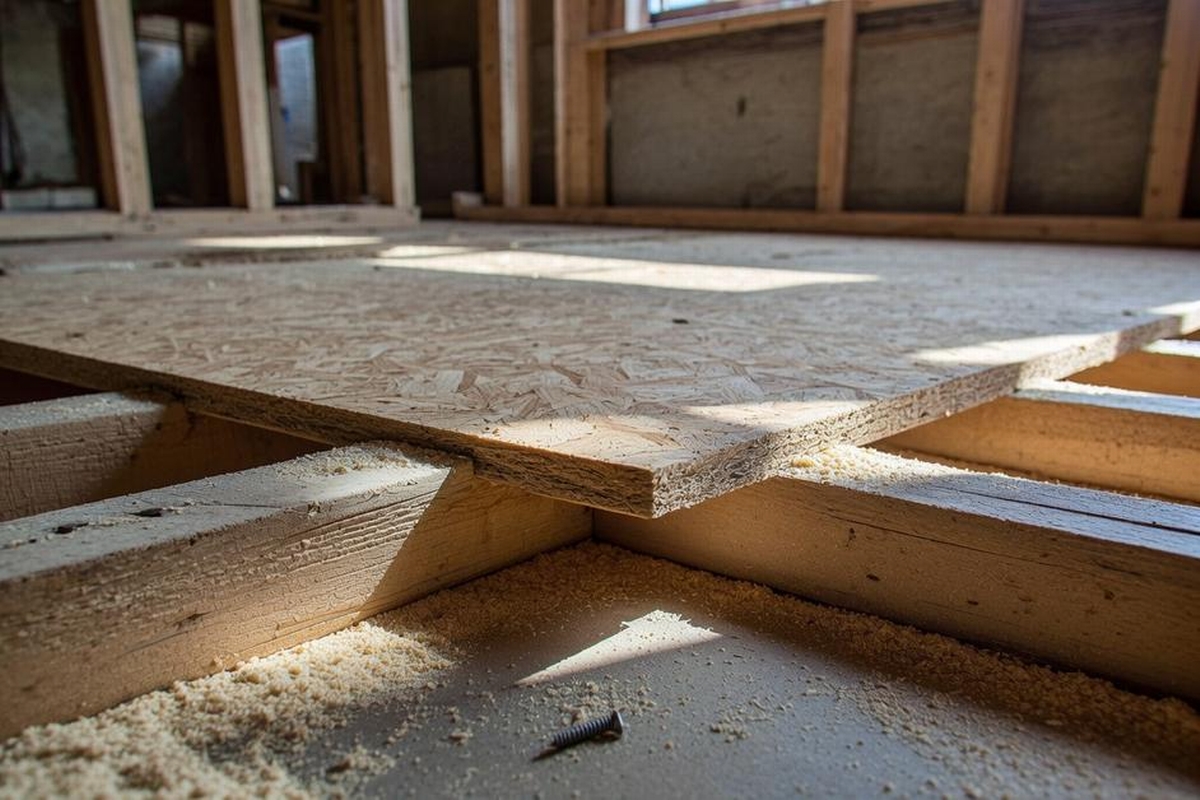
Replacement involves removing all layers of flooring down to the joists and installing new subfloor panels. It's a labor-intensive task that requires the expertise and efficient teamwork that RARE Restoration provides, ensuring lasting results.
The Risks of Delaying Subfloor Replacement
Ignoring subfloor issues after water damage might lead to severe consequences. Compromised subfloors are not only a cosmetic issue but can also become dangerous, affecting the safety of your entire home. Delaying replacement increases the risk of mold development, which can have serious health implications, such as respiratory infections and allergic reactions.
Moreover, supporting layers of your home can rot over time. This may compromise the stability of your house and lead to costly structural repairs. That's why recognizing the urgency of when to replace the subfloor from water damage can prevent small problems from escalating into major repairs.
The Role of Professionals
Employing professional services for subfloor repairs or replacements ensures the job is done correctly and promptly. RARE Restoration brings experienced restoration contractors well-versed in managing all forms of water damage restoration. From initial assessment to final touches, they will guide you through each step, ensuring minimal disruption to your daily life.
Furthermore, professionals can assist in filing insurance claims. They can provide detailed documentation of damages and estimates, simplifying the process for homeowners. Their expertise also ensures that you use high-quality materials that will last longer, protecting your investment well into the future.
How to Prevent Future Water Damage to Subfloors
Proactive measures are essential in preventing future occurrences of water damage to your subfloor. Regular maintenance and inspection of plumbing fixtures are key practices. Be mindful of any leaks or plumbing issues that can lead to water buildup.
Installing water detectors in vulnerable areas such as basements and kitchens can also notify you of leaks before they become significant problems. Additionally, consider employing water-resistant materials for flooring in areas prone to moisture. This small investment can provide substantial long-term savings by reducing the likelihood of requiring another subfloor replacement in the future.
Taking Prompt Action with RARE Restoration
Protecting your home includes knowing when to replace the subfloor due to water damage. By recognizing signs of damage, performing thorough inspections, and deciding between repair and replacement diligently, you can save yourself from unnecessary stress and financial strain.
RARE Restoration offers expert water damage repairs in Colorado Springs, including support for those times when subfloor replacement is necessary. Their professional services deliver peace of mind, adept at tackling water damage issues effectively and returning your home to its best condition.
If you're concerned about the state of your subfloor or need advice on water damage restoration, reach out to RARE Restoration today. Our team is ready to provide immediate assistance, ensuring your home’s safety and longevity. Take control and protect your investment by obtaining expert guidance from our dedicated professionals.