Is the Mold in My Basement Dangerous for My Family
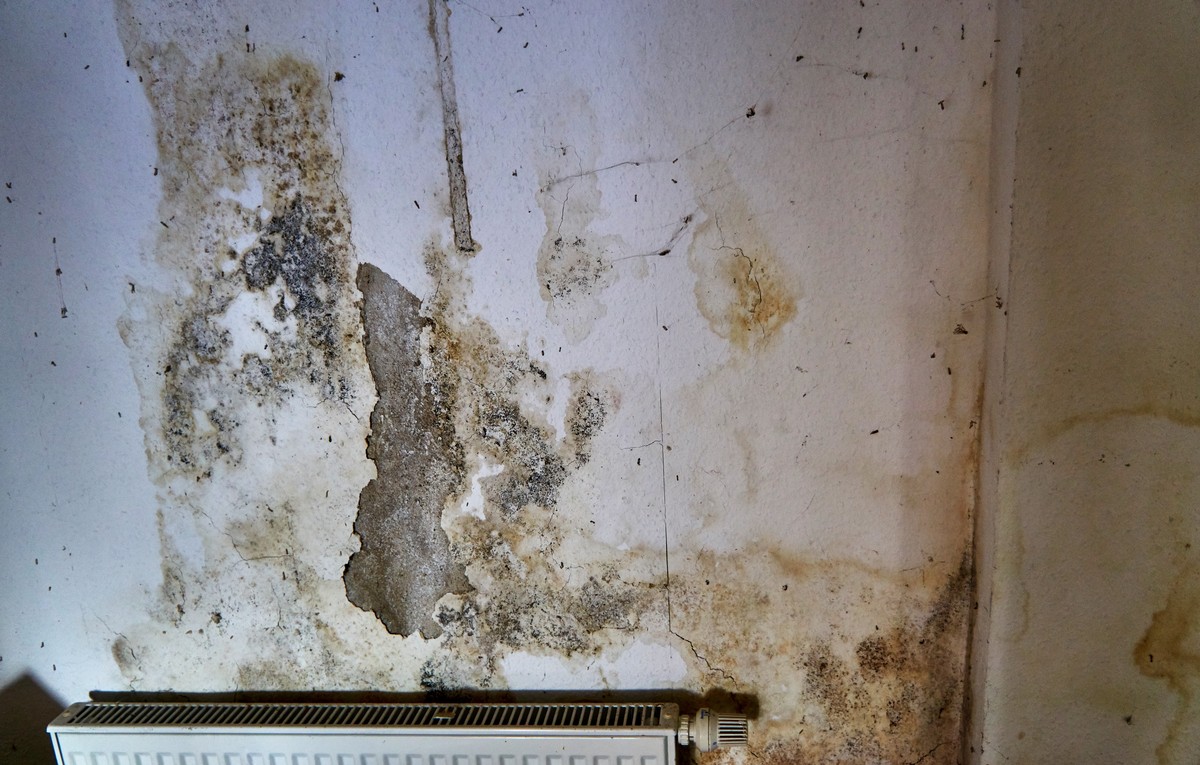
That musty smell drifting up from the basement stairs is easy to ignore, right up until you spot a dark patch spreading across the drywall or the underside of the floor joists. At that point, most homeowners ask themselves the same nervous question: is the mold in my basement dangerous for the people I love? It is a fair concern, and the honest answer depends on the type of mold, how much of it there is, and who in your household is breathing the air around it. As a trusted damage restoration company in Colorado Springs and its neighboring areas, we field this exact question from families all the time.
The good news is that not every speck of mold spells disaster. The less comforting news is that basements create nearly perfect conditions for mold to thrive, and some situations genuinely do warrant fast action. This guide will help you understand the real risks, recognize the warning signs, and know when it is time to bring in a professional rather than reaching for a spray bottle.
Why Basements Are a Magnet for Mold
Mold needs three things to grow: moisture, a food source, and time. Basements tend to offer all three in abundance. They sit partially or fully below grade, which means groundwater, poor drainage, and humidity are constant companions. Add in organic materials like wood framing, cardboard boxes, drywall, and carpet padding, and you have an all-you-can-eat buffet for mold spores that are always floating in the air.
Here in Colorado Springs and the surrounding areas, our dry climate leads many homeowners to assume mold simply is not a threat. But basements behave differently than the rest of the house. A slow foundation leak, a sweating water heater, a cracked pipe, or even summer humidity condensing on cool concrete walls can create the damp microclimate mold needs. Once it takes hold, it can spread across large surfaces within a matter of days.
Is the Mold in My Basement Dangerous? Understanding the Health Risks
When people ask is the mold in my basement dangerous, they are usually worried about the health of their children, elderly relatives, or anyone with breathing issues. Exposure to mold spores can trigger a range of reactions, and sensitivity varies widely from person to person. Some people share space with mold for years and notice nothing, while others react quickly and strongly.
Common symptoms linked to mold exposure include nasal congestion, sneezing, coughing, watery or itchy eyes, skin irritation, and worsening asthma. Those with allergies, compromised immune systems, or chronic respiratory conditions tend to feel the effects sooner and more intensely. Infants and older adults are often more vulnerable as well. If your family experiences symptoms that improve when you leave the house and return when you come home, indoor mold could be a contributing factor.
The type of mold matters too. So-called black mold has developed a fearsome reputation, and while some varieties can produce compounds that irritate the body, the color alone does not tell you how hazardous a growth is. Rather than trying to diagnose a specific strain by sight, it is far more useful to focus on the size of the affected area and whether household members are showing symptoms.
Warning Signs You Should Not Ignore
Mold does not always announce itself with an obvious black stain. Sometimes the clues are subtle, and catching them early can save you from a much larger problem. Keep an eye and a nose out for the following signals in your lower level.
- A persistent musty or earthy odor that lingers even after cleaning
- Visible discoloration on walls, ceilings, floors, or stored belongings, often in green, black, gray, or white patches
- Warped or bubbling paint, peeling wallpaper, or soft spots in drywall
- Recurring condensation, water stains, or a history of flooding or leaks
- Family members with unexplained respiratory or allergy symptoms that ease when away from home
If you notice one or more of these, it is worth investigating further. Small patches under about ten square feet can sometimes be handled carefully by a homeowner, but anything larger, anything tied to a water leak, or anything that keeps coming back is a strong sign that professional help is the safer route.
Why DIY Cleanup Often Falls Short
It is tempting to grab store-bought cleaner, scrub the visible growth, and call it a day. Unfortunately, surface cleaning frequently misses the bigger picture. Mold sends root-like structures into porous materials such as drywall and wood, so wiping the surface can leave the source alive and ready to regrow. Even worse, scrubbing a colony without proper containment can release a cloud of spores that settle elsewhere in your home, spreading the problem to new areas.
There is also the matter of the underlying moisture. If you do not identify and correct why the basement got wet in the first place, mold will simply return. This is where a professional approach makes a real difference. Trained technicians locate the moisture source, contain the work area to protect the rest of the house, remove affected materials safely, and treat the space to discourage future growth. Our team handles emergency restoration services and mold remediation in Colorado Springs, CO with the equipment and protective measures needed to do the job thoroughly rather than temporarily.
The Connection Between Water and Mold
Nearly every basement mold problem traces back to water. Whether it is a burst pipe, a sump pump failure, a heavy storm, or slow seepage through the foundation, moisture is the trigger that wakes dormant spores. That is why addressing a water issue quickly is one of the best defenses against mold ever getting started. Mold can begin colonizing damp materials within twenty-four to forty-eight hours, so speed matters.
If your basement has recently flooded or suffered a leak, do not wait for mold to appear before acting. Prompt drying and cleanup dramatically reduce the odds of a mold outbreak. Our water restoration and removal services focus on extracting water and drying structures fast, which is often the single most effective way to prevent a mold problem down the road. Pairing water cleanup with a follow-up mold inspection gives you real peace of mind that the space is safe.
Protecting Your Family Going Forward
Once a basement has been properly cleaned and dried, keeping it mold-free comes down to controlling moisture. Aim to keep indoor humidity in a comfortable, dry range, ideally below roughly fifty percent, and run a dehumidifier during humid stretches. Make sure gutters and downspouts direct water away from the foundation, and address any grading that lets rainwater pool near the house. Inspect plumbing and appliances periodically for slow leaks, and store belongings on shelves rather than directly on concrete floors.
Good ventilation also helps. Stagnant, damp air is mold's best friend, so improving airflow with fans or vents can make a meaningful difference. These small habits go a long way toward ensuring you never have to wonder about your family's safety in that part of the home.
So, is the mold in my basement dangerous? For some households it may be little more than a nuisance, while for others, especially those with young children, seniors, or anyone with respiratory concerns, it can pose a genuine health risk that deserves attention. The size of the growth, the presence of moisture, and how your family feels are the clearest guides. When in doubt, it is always wiser to have the space evaluated than to gamble with the air your loved ones breathe every day.
If you have spotted mold, smelled that telltale musty odor, or recently dealt with basement water in Colorado Springs and neighboring communities, our team is ready to help. Reach out for a professional assessment, and let us give you a straightforward answer about whether that mold is dangerous and what it will take to make your home healthy again.