Safety Tips: How to Survive a Tornado Without Basement Options
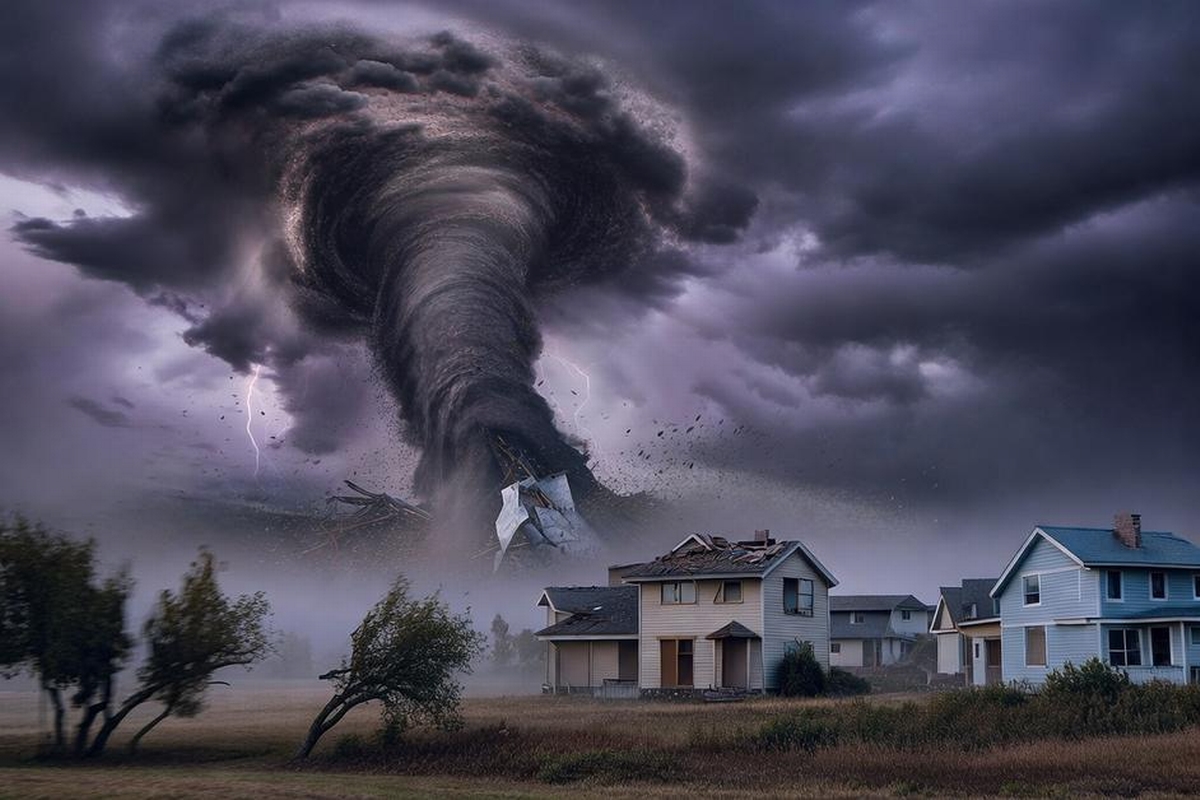
Picture yourself at home on a sunny afternoon in Colorado Springs, CO, when suddenly dark clouds roll in and the air turns ominous. The news alerts you to a quickly approaching tornado. But what if you don’t have a basement to retreat to? Knowing how to survive a tornado without basement options is crucial for residents in such a scenario. With expert information and advice from restoration contractors in the Colorado Springs area, you can be better prepared to face these unpredictable weather events.
Though tornadoes are a rampant force of nature, preparation and awareness can significantly enhance your safety. In this post, we will explore practical strategies for surviving these natural disasters when your home lacks a basement. This guide will arm you with essential knowledge, from identifying safe interior spaces to necessary emergency supplies. Let's delve in and ensure we're ready for anything this tornado season brings.
Understanding Tornado Basics
Before diving into survival strategies, it's essential to understand what makes tornadoes so dangerous. Tornadoes are violently rotating columns of air extending from a thunderstorm to the ground and are capable of tremendous destruction. Winds can swirl at speeds of up to 300 miles per hour, flattening homes, uprooting trees, and hurling vehicles like toys. Colorado Springs experiences tornadoes primarily during late spring and early summer, so awareness during this period is critical.
The absence of a basement doesn't hinder your ability to stay safe. The key is to identify the next best location in your home. Ideal spots include small, windowless rooms on the lowest floor, such as a bathroom, closet, or hallway. The focus should be on putting as many walls as possible between you and the exterior to protect yourself from flying debris and potential collapses.
Preparing for the Storm
Assemble an Emergency Kit
An emergency kit is your lifeline during a tornado emergency. It should be readily accessible and include items such as:
- First aid supplies
- Battery-powered or hand-crank weather radio
- Flashlights with extra batteries
- Non-perishable food and water for at least three days
- Whistle to signal for help
- Local maps
- Sturdy shoes and clothing
- Backup power bank for your phone
Having these essentials on hand will ensure you're prepared for the immediate aftermath of a tornado when the primary focus is survival and communication.
Safe Room Alternatives
If you lack a basement, creating a designated safe room on the lowest floor is vital. Interior bathrooms or closets can offer solid protection if fortified correctly. Consider reinforcing these areas by adding additional wooden panels or installing latches for additional support against strong winds.
If time permits, move heavy or dangerously fragile items from upper stories to reduce potential falling debris. Closing doors and windows around the house may also help maintain structural integrity, although it's not advisable to open windows as a pressure-release method—a common tornado myth debunked.
Real-Time Response: How to Survive a Tornado Without Basement Options
Monitor Weather Alerts
Stay connected to weather updates via radio, smartphone apps, or television. Being aware of the storm's progression can provide precious minutes to gather your family and enact your safety plan. Be sure the methods you choose have redundancy, such as a battery-powered backup for devices relying on electricity.
Shelter in Place
In the heart of the tempest, take shelter according to predetermined plans. Use any available mattresses or heavy blankets to cover yourself from debris. If possible, a bicycle or motorcycle helmet can provide crucial head protection during a tornado.
In the absence of these makeshift barriers, assume a protective position by crouching low, shielding your head with your arms, and staying away from corners where debris tends to accumulate.
Post-Tornado Safety
After the tornado passes, it's vital to exercise caution. Be aware of downed power lines, unstable trees, and gas leaks. Communicate with family members and assess immediate needs for medical attention. Further, conserve any available communication battery life and food initially, prioritizing safe locations over searching for sustenance.
Following the metaphorical storm, restoration steps are often needed. Restoration services like mold removal and remediation in Colorado Springs can address water damage from tornado-induced leaks, ensuring the safety and habitability of your home.
Rebuilding and Moving Forward
Surviving a tornado without a basement isn't just about weathering the storm. It's about proactive preparedness and knowing what steps to take before, during, and after the event. By investing time into creating an emergency plan with your family, the likelihood of protecting what matters most significantly increases.
Remember that tornadoes, while fearsome, are events that we can be prepared for. With ready supplies, structural awareness, and communication plans, you can mitigate their hazards. Should you find yourself in need, restoration contractors in Colorado Springs, CO are ready to help rebuild and restore your peace of mind with services like water damage restoration. With meticulous preparation and community support, we can face even the harshest storms with resilience.
In need of expert assistance for your home post-tornado? RARE Restorationoffers national disaster response services to help restore your home to safety. Connect with our seasoned professionals in Colorado Springs, and let us help secure your property against future storms.